
Profiles in Biotech (9/3/23)
Analysis
Axial: https://linktr.ee/axialxyz
Axial partners with great founders and inventors. We invest in early-stage life sciences companies such as Appia Bio, Seranova Bio, Delix Therapeutics, Simcha Therapeutics, among others often when they are no more than an idea. We are fanatical about helping the rare inventor who is compelled to build their own enduring business. If you or someone you know has a great idea or company in life sciences, Axial would be excited to get to know you and possibly invest in your vision and company . We are excited to be in business with you — email us at info@axialvc.com

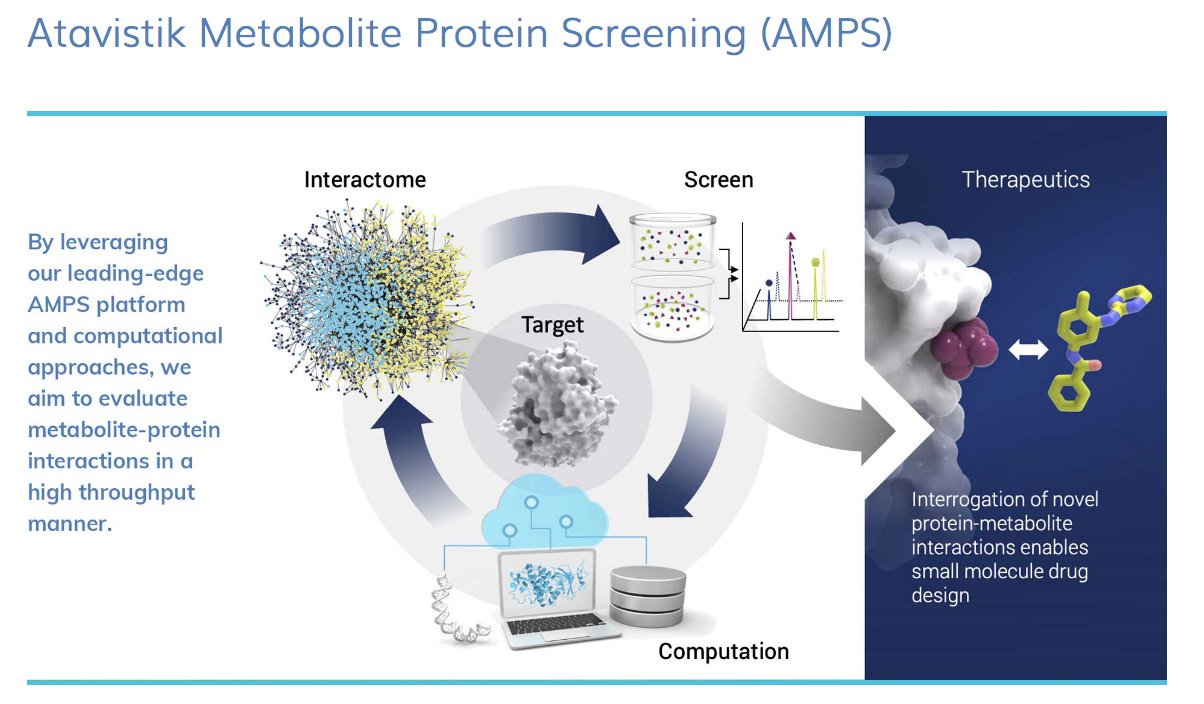
Atavistik Bio maps protein-metabolite interactions to accelerate drug discovery. Founded in 2020, the company's AMPS platform allows it to identify binding targets with the potential to modify disease processes. Focusing on diseases including inborn errors of metabolism and cancer.
The technology is based on the idea that metabolites can act as allosteric regulators of proteins. Allosteric regulators are molecules that bind to proteins at a site other than the active site and alter the protein's function. By identifying metabolite-binding sites on proteins, Atavistik Bio can discover new targets for drug development.
AMPS is a high-throughput screening platform that can be used to screen large libraries of metabolites against proteins. The platform integrates a wide set of methods to identify binding targets from mass spectrometry, fluorescence spectroscopy & X-ray crystallography.
The Neuronal Gene Arc Encodes a Repurposed Retrotransposon Gag Protein that Mediates Intercellular RNA Transfer
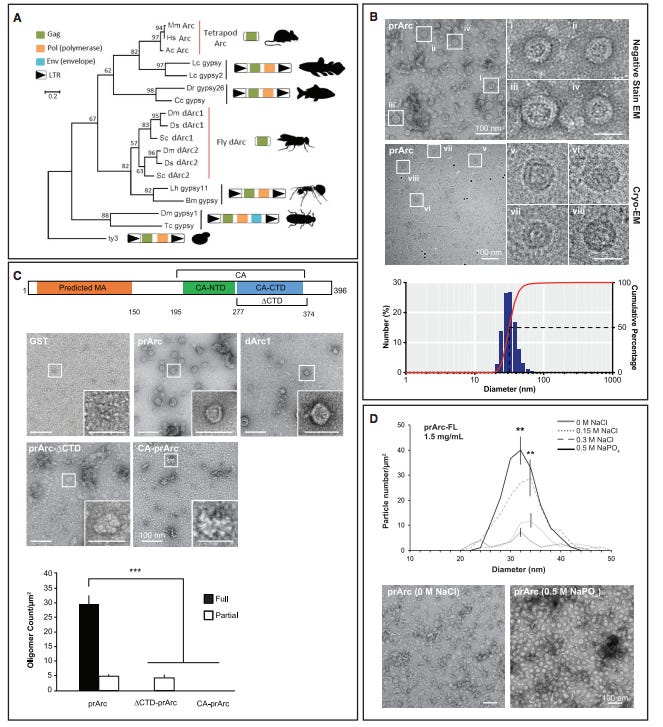
Arc is a gene that is expressed in neurons and is essential for long-term information storage in the brain. Containing structural elements that are similar to those found in viral Gag proteins. And can self-assemble into virus-like capsids that encapsulate RNA.
The paper begins by discussing the evolutionary origins of Arc. Arc genes are found in all tetrapods (mammals, birds, reptiles & amphibians), but are absent from fish and other deuterostomes. The closest relatives of Arc in fish are encoded by Ty3/gypsy retrotransposons, which are mobile genetic elements that can insert themselves into the genome. This suggests that Arc genes in tetrapods may have originated from Ty3/gypsy retrotransposons.
The paper then describes how Arc protein can self-assemble into virus-like capsids. Arc protein contains a domain called the CA domain, which is also found in viral Gag proteins. The CA domain is responsible for assembling the capsid shell of viruses. When Arc protein is expressed in vitro, it can self-assemble into capsids that are similar in size and structure to those of viruses.
The authors show that Arc protein is released from neurons in extracellular vesicles (EV). They can carry a variety of cargo, including proteins, RNA and DNA. Then showing that Arc capsids can mediate the intercellular transfer of RNA between neurons. Suggesting that Arc has been repurposed from a retrotransposon Gag protein to mediate intercellular RNA transfer in neurons.
https://www.cell.com/cell/pdf/S0092-8674(17)31504-0.pdf
Compositions for DRG-specific reduction of transgene expression
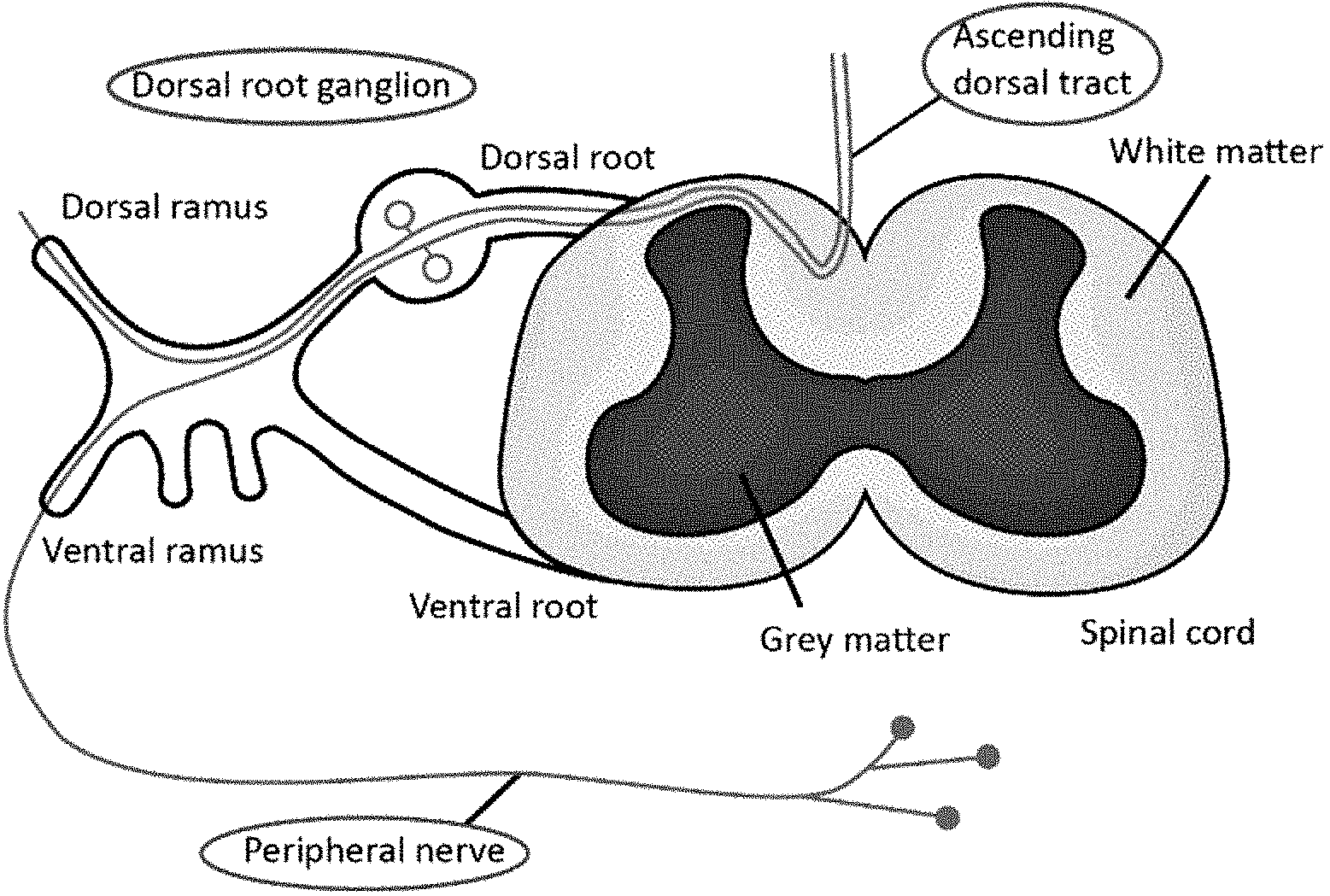
The patent describes methods of treating a genetic disorder and assessing AAV-induced dorsal root ganglia (DRG) toxicity in a subject. AAV vectors are a popular choice for gene therapy, but they can cause toxicity in the DRG, which is a cluster of nerves located in the spine. This toxicity can lead to degeneration of the peripheral and central axons that ascend through the spinal cord.
The patent describes methods of reducing the toxicity of AAV vectors by using microRNAs. To target genes that are involved in DRG toxicity. With methods to assess the effectiveness of this approach by measuring neurofilament light chain (NfL) levels in the subject. Which is a protein that is released from damaged neurons. An increase in NfL levels indicates that the DRG is being damaged. Providing a promising new approach to gene therapy.
https://patentimages.storage.googleapis.com/3f/c2/a5/37436e3de92c40/WO2023087019A2.pdf
How are AAV gene therapies manufactured?
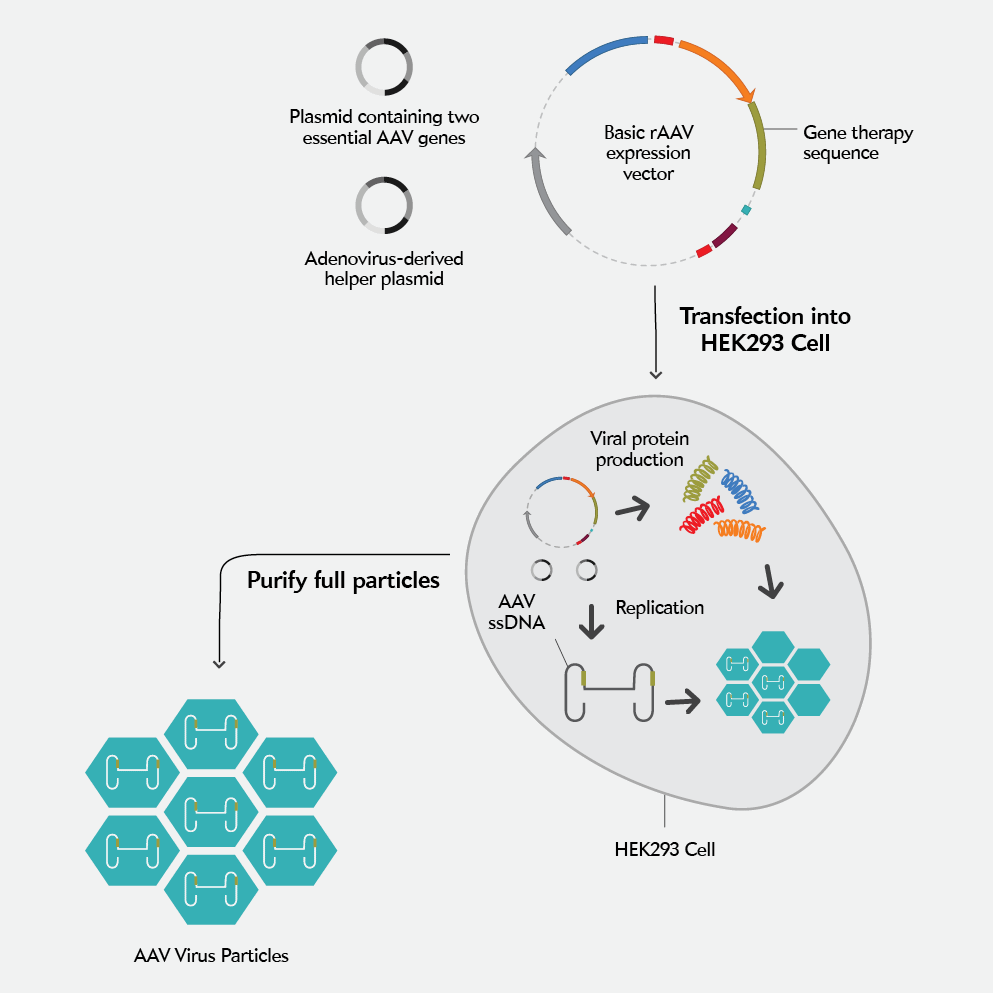
For gene therapies the process is the product:
- Design of the AAV vector: first step is to design the AAV vector, which includes choosing the AAV serotype, the gene of interest, and the promoter that will be used to control gene expression
- Production of the AAV: the vector is then produced in a cell culture system. This involves the co-transfection of AAV production cells with three plasmids: a plasmid that contains the gene of interest, one that contains the AAV rep-cap genes, and the other containing the helper genes isolated from adenovirus.
- Purification of the vector: the AAV vector is then purified from the cell culture supernatant. This involves a series of steps to remove impurities, such as cells, cell debris, and other viruses.
- Characterization: vector is then characterized to ensure its safety, identity, potency, quality, and purity. This includes testing for the presence of the gene of interest, the absence of contaminants, and the ability of the vector to infect cells and deliver the gene of interest.
- Stabilization: the AAV vector is then stabilized to ensure its long-term storage and stability. This may involve adding cryoprotectants or other stabilizers to the vector.
Founder Stories: Daphne Koller, Founder and CEO of Insitro
Insitro brings together functional genomics and lab automation to build a bio-data factory that can produce relevant biological data at scale that enable the development of novel ML models