
Life Sciences Ideas (9/7/23)
Agency for great inventors
Axial: https://linktr.ee/axialxyz
Axial partners with great founders and inventors. We invest in early-stage life sciences companies such as Appia Bio, Seranova Bio, Delix Therapeutics, Simcha Therapeutics, among others often when they are no more than an idea. We are fanatical about helping the rare inventor who is compelled to build their own enduring business. If you or someone you know has a great idea or company in life sciences, Axial would be excited to get to know you and possibly invest in your vision and company . We are excited to be in business with you - email us at info@axialvc.com
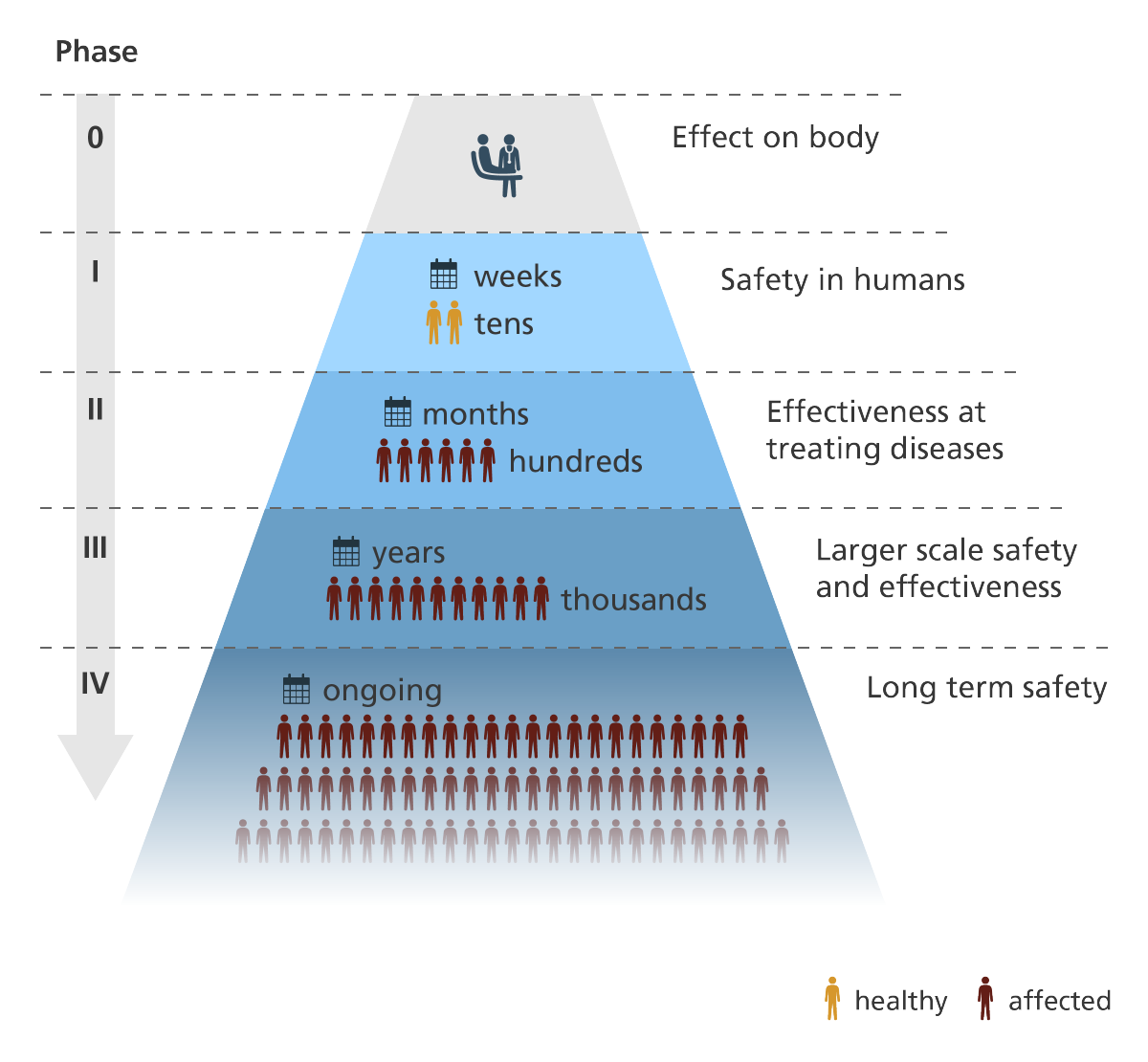
Clinical trial statistical analysis is the process of collecting, organizing, and interpreting data from clinical trials to draw conclusions about the safety and efficacy of new treatments. It is a complex field, requiring a deep understanding of statistics, clinical research, and regulatory requirements.
Despite the challenges, there is a significant opportunity for startups to develop software, and services, that can automate/streamline this analysis. This is because the volume and complexity of data generated by clinical trials is increasing rapidly, and manual statistical analysis is becoming increasingly time-consuming and error-prone.
One thing as startup can do is to develop software that can automate the process of data cleaning and preparation. This can free up statisticians to focus on more complex tasks, such as developing and interpreting statistical models.
Another opportunity is to develop software that can integrate data from multiple sources, such as electronic health records and clinical trial databases. This can help to improve the accuracy and completeness of statistical analysis.
Finally, startups can also develop software that can help to visualize and communicate statistical results. This can make it easier for researchers and clinicians to understand the findings of clinical trials.
However, clinicians already have software (i.e. Veeva) or solution for all 3 of these categories. So a standalone product or integrated one can use these as a starting point but ultimately an up-and-coming company will have to expand into new models to interpret trials or get into patient recruitment/trial matching.
A few case studies of startups using software to improve clinical trial statistical analysis:
Flatiron Health: develops software to help cancer researchers analyze clinical trial data. The company's software platform, called Oncology Data Lake, provides a centralized repository for clinical trial data from multiple sources. This allows researchers to quickly and easily access and analyze data, which can help them to identify new insights and improve the design and conduct of clinical trials.
Syapse: a cloud-based platform for sharing and analyzing clinical trial data. The platform allows researchers to collaborate on data analysis and to share their findings with others. Synapse also provides tools for data visualization and interpretation, which can help researchers to communicate their findings more effectively.
Phenomics360: develops software to help researchers analyze genetic data from clinical trials. The company's software platform, called PhenoSense, provides a suite of tools for analyzing genetic data, including statistical analysis, data visualization, and interpretation. PhenoSense can help researchers to identify new genetic markers for disease and to develop new treatments.
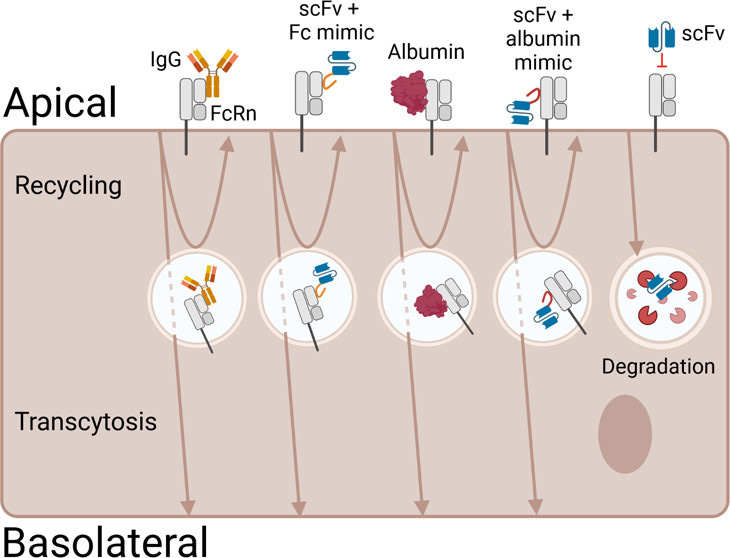
Therapeutic antibodies have become one of the most widely used classes of biotherapeutics, but their small size can limit their efficacy. A common approach to circumvent this limitation is to enable engagement with the neonatal Fc receptor (FcRn), which can extend the serum half-life of antibodies.
However, this is usually achieved by fusion with a large Fc domain, which negates the benefits of the antibody fragment's small size. The paper shows that modifying antibody fragments with short FcRn-binding peptide domains can enable binding and FcRn-mediated recycling and transcytosis in cell-based assays. The author’s also show that rational, single amino acid mutations to the peptide sequence have a significant impact on the receptor-mediated function. ID’ing a short peptide from human serum albumin that enables FcRn-mediated function when grafted onto a single-chain variable fragment (scFv) scaffold:
With the potential to expand the applications of small antibody fragments as therapeutic agents. By enabling FcRn engagement, these fragments could be made to have longer serum half-lives and be more effectively transported across cell membranes.

For infectious diseases, both bacteria and viruses have the ability to escape the host immune system and specific antibody treatments via mutations that change their surface proteins or structure, creating so-called escape mutants that are no longer neutralized by the specific antibody. The best way to circumvent this is by using a combination of antibodies directed at different viral targets. The use of cocktails of two or more antibodies was shown to provide synergism or additive effects in neutralizing hepatitis B virus (HBV) and RSV infections. Combinations of antibodies have also been used in HIV, targeting GP41 and GP120 viral proteins, and rabies. And are part of the strategy in most anti-virtal drug development companies.
Therefore, part of the early preclinical development of such antibody combinations consists of serial passage of virally infected cells (>20 generations) to ensure continued efficacy and the absence of escape mutants. This is combined with testing against known patient isolates, when available. Cocktails of antibodies would also be an interesting approach to target groups of infectious agents often seen in parallel in (i.e. burn wounds)
Another strategy to increase efficacy, the ability of the treatment to reach the intended target, and avoid unwanted side effects resulting from the killing of non-target cells is antibody engineering. More precisely, genetic manipulation of the Fc domain (mainly in the CH2 domain) or changes to the glucosylation pattern of the N-linked oligosaccharide moieties attached at antibody N297 in the Fc part of the heavy chain.
For generating antibodies with enhanced effector functions, different mutations have been identified that have increased affinity to the FcγIIIa receptor and a significant enhanced cellular cytotoxicity (S239D/A330L/I332E) These antibodies either directly or indirectly enhance binding of Fc receptors and thus significantly enhance cellular cytotoxicity. Enhanced effector function can also be achieved by modulating the oligosaccharide moieties. Removal of fucose from the A297 linked oligosaccharide moietites, which creates so-called afucosylated Fc domains, has been shown to greatly increase the potency for inducing antibody-dependent cellular cytotoxicity. This is achieved by manufacturing the antibodies in cell lines lacking the enzyme fucosyl transferase, which renders them unable to add fucose to the oligosaccharide moieties.
Similarly, ways to reduce or ablate the ability of antibodies to trigger effector functions have been described and are being used broadly in cases where the aim is to block specific membrane-bound receptors/targets and where killing of the cell harboring the target is not desired. Again, mutations in the Fc part (L234A and L235A), also called the LALA mutation, greatly reduce but do not completely remove effector functions by removing amino acids important for the C1q factor of complement.
Modulation of the glycosylation pattern, in this case creating completely aglycosylated antibodies, has also been shown to remove the ability to properly bind Fc receptors on effector cells and trigger effector functions. One alternative approach used especially when developing immuno-modulatory agonistic antibodies is the use of antibodies of the IgG4 isotype, which does not trigger effector functions. Finally, mutations in the Fc part that increase the affinity to the FcRn receptor have also been used to create antibodies with an increased half-life. Introduction of three mutations in the Fc domain (M252Y, S254T, and T2556E, also called the YTE) has been shown to provide a half-life extension of 3- to 4-fold. From a convenience point of view, a long half-life is obviously attractive, but it can be a down-side in the case of severe adverse effects due to the long duration of action.
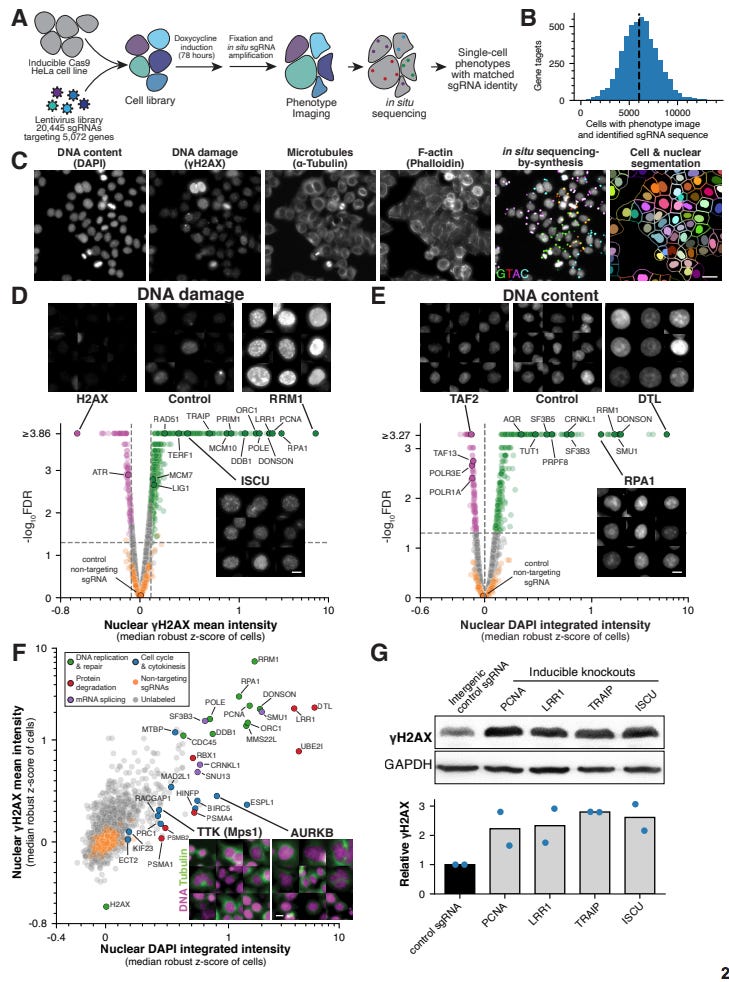
The authors performed a large-scale, image-based pooled CRISPR screen of 5,072 essential genes in human cells. The screen revealed a wide range of phenotypic defects in cells with knockouts of essential genes, including changes in nuclear morphology, cell size, DNA damage response, cytoskeletal structures, cell cycle stage, and mitotic chromosome alignment.
The paper then used multi-dimensional clustering to identify co-functional genes across diverse cellular activities, revealing novel gene functions and associations. Pooled live-cell screening of ~450,000 cell division events for 239 genes further identified functional contributions to chromosome segregation. Creating a resource for the phenotypic analysis of core cellular processes and defines the functional landscape of essential human genes.
The authors also found that essential genes are often co-functional, meaning that they work together to carry out a particular cellular process. Providing new insights into the molecular basis of cellular function and could be used to identify new targets for therapeutic interventions.
https://www.biorxiv.org/content/biorxiv/early/2021/11/28/2021.11.28.470116.full.pdf
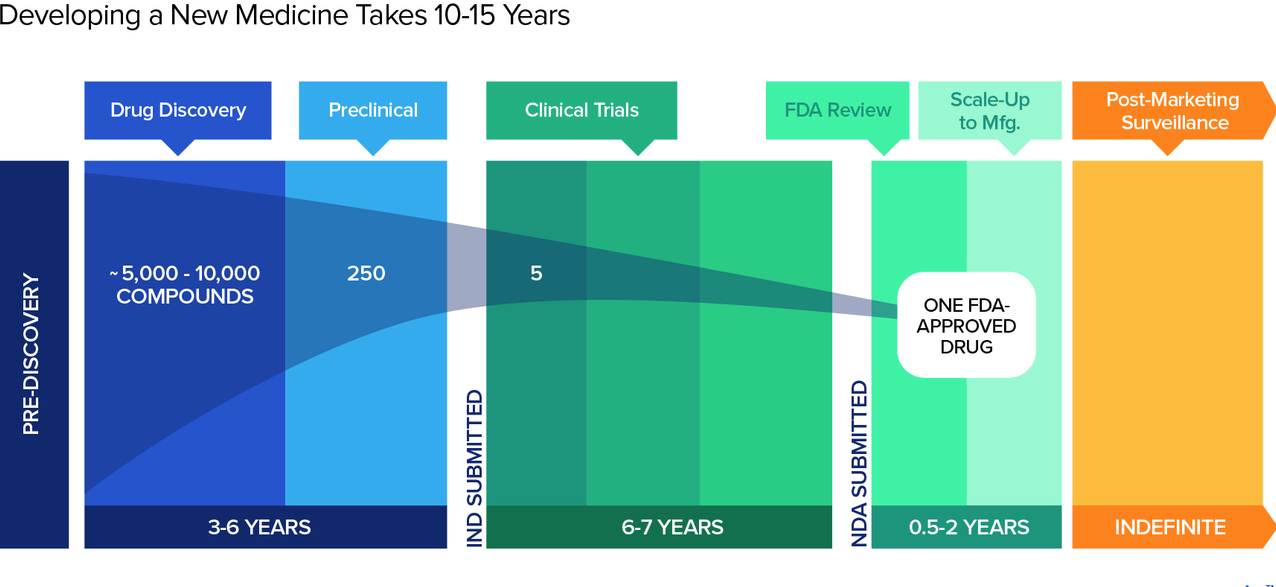
The concept of asset-centricity is a drug development strategy that focuses on individual assets rather than pipelines. And can help to improve the efficiency and effectiveness of drug development by minimizing the impact of unintended biases.
Where 2 biases can affect drug development decisions:
The story: this is the unifying narrative that companies weave around their assets to make them more appealing to investors. The story can create a bias towards progression, even when the data on an asset suggests that it should not be further developed.
The commercial infrastructure: network of sales and marketing channels that a company has in place to sell its products. The commercial infrastructure can create a bias towards developing assets that are likely to be successful in the marketplace, even if they are not the most promising assets from a scientific perspective.
Asset-centricity can help to mitigate these biases by isolating assets from each other and from the commercial infrastructure. To ensure that decisions about whether to develop an asset are based on the data on that asset alone, rather than on external factors such as the company's story or its commercial goals.
However, the challenges of implementing asset-centricity in practice include the need to change the way that companies think about drug development and the need to overcome the resistance of employees who are used to working in a more traditional pipeline-based environment.
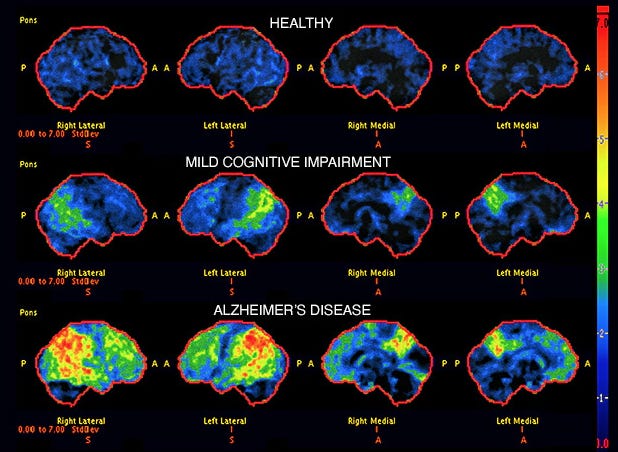
How is Alzheimer's diagnosed?
There is no single test that can definitively diagnose Alzheimer's disease (AD). Instead, doctors use a combination of tests and assessments to make a diagnosis:
Medical history and physical exam: doctor will ask about your medical history, including any other health conditions you have, and perform a physical exam to look for signs of other diseases that could be causing your symptoms
Cognitive assessment: assessing your memory, thinking, and problem-solving skills
Neuropsychological testing: a more comprehensive test can provide more detailed information about your cognitive abilities
Brain imaging: help rule out other conditions that can cause dementia, such as stroke or a brain tumor. There are 2 types of brain imaging tests that are often used to diagnose AD:
Magnetic resonance imaging (MRI): uses a strong magnetic field and radio waves to create detailed images of the brain
Positron emission tomography (PET) scan: relies on a radioactive tracer to show how the brain is functioning
Cerebrospinal fluid (CSF) test: finally, this test involves collecting a small sample of fluid from the spinal cord to look for proteins that are associated with Alzheimer's disease
No single test is always definitive, so doctors will often use a combination of tests to make a diagnosis. The diagnosis of Alzheimer's disease is typically made based on the following criteria:
Progressive decline in memory and thinking skills. This decline must be severe enough to interfere with daily activities.
No other medical conditions that could explain the symptoms. This includes conditions such as stroke, brain tumor, or depression.
Typical brain changes seen in Alzheimer's disease. These changes may be seen on brain imaging tests or in the CSF.
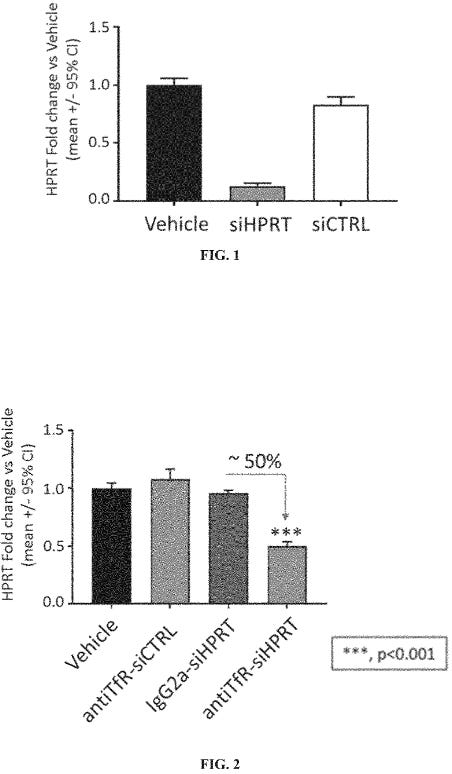
https://patentimages.storage.googleapis.com/b4/ac/63/3a8005be3065c9/US11390682.pdf
The patent is assigned to Dyne Therapeutics and describes a complex that can be used to deliver molecular payloads, such as oligonucleotides, to muscle cells. The complex is made up of a muscle-targeting agent, such as an antibody that binds to the transferrin receptor, covalently linked to a molecular payload. The muscle-targeting agent specifically binds to the transferrin receptor, which is a receptor that is found on the surface of muscle cells. This allows the complex to be taken up by the muscle cells via receptor-mediated endocytosis. Once inside the cell, the molecular payload can be released to perform its function.
The patent specifically describes the use of the complex to deliver oligonucleotides that target DUX4, a protein that is involved in the development of muscular dystrophy. The oligonucleotides can be designed to inhibit the expression or activity of DUX4, which could potentially be used to treat muscular dystrophy.
The invention could be used to deliver a variety of molecular payloads to muscle cells, including oligonucleotides, siRNAs, and proteins. Leading to new treatments for a variety of muscle diseases.
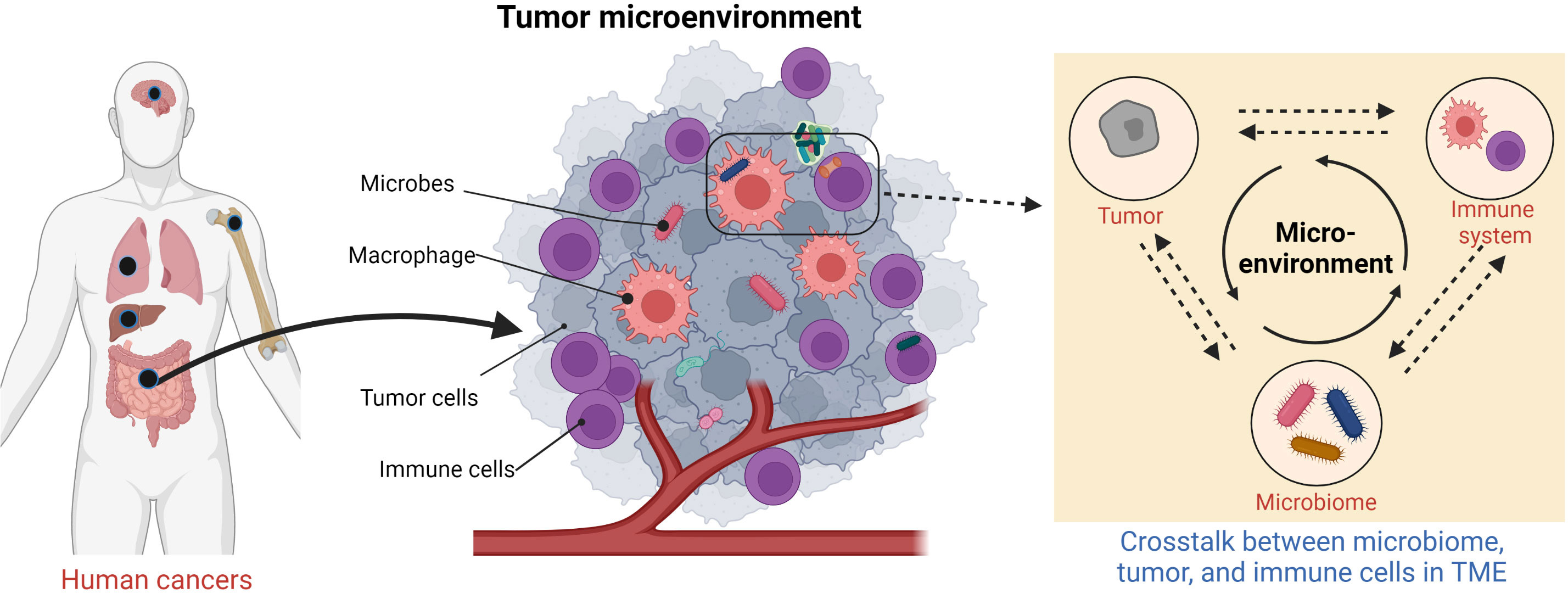
https://www.science.org/content/blog-post/arguing-about-cancer-microbiome
Past studies have found that the bacterial species present in plasma samples can be used to diagnose different types of cancer. However, a new preprint casts doubt on the findings of the original study. Arguing that the original study is flawed due to errors in the genome database and the computational methods used. They also argue that the normalization process used to analyze the data introduced distinctive numerical signatures into each sequence, which the machine learning algorithms then used to falsely associate with particular tumor types.
The authors of the original study have disputed the findings of the preprint, but the issue remains unresolved. The blog post discusses the potential implications of the findings of the preprint. If the findings are correct, it means that the original study's findings about the association between bacterial species and cancer are not valid.
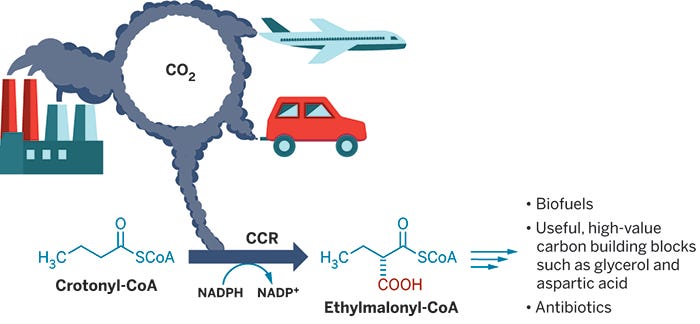
Synthetic biology has the potential to reduce CO2 and greenhouse gas concentrations in the atmosphere. As a way to design and program biological systems to carry out specific functions. One possibility is to engineer plants to convert CO2 into a stable non-respirable form. This would prevent the CO2 from being released back into the atmosphere. For example, scientists have engineered tobacco plants to produce a protein that converts CO2 into a solid form that can be stored underground.
Another application is to design plants with an increased root-to-shoot ratio. This would allow the plants to take up more CO2 from the soil. Rice plants have been engineered with an increased root-to-shoot ratio, which resulted in a 20% increase in CO2 uptake.
Creating algae that can produce biofuels from CO2. This would help to reduce the need for fossil fuels, which produce CO2 when they are burned. The ideal product would be algae that can produce biodiesel from CO2 and sunlight. Finally, developing microbes that can convert CO2 into other useful products, such as plastics or chemicals. This would help to find new ways to use CO2 and reduce its emissions into the atmosphere. For example, converting CO2 into ethanol, which can be used as a biofuel.